Opening of the “Queens” Exhibition at the Royal Palace of Caserta
Events
In evidence
Princess Maria Carolina
Princess Maria Chiara
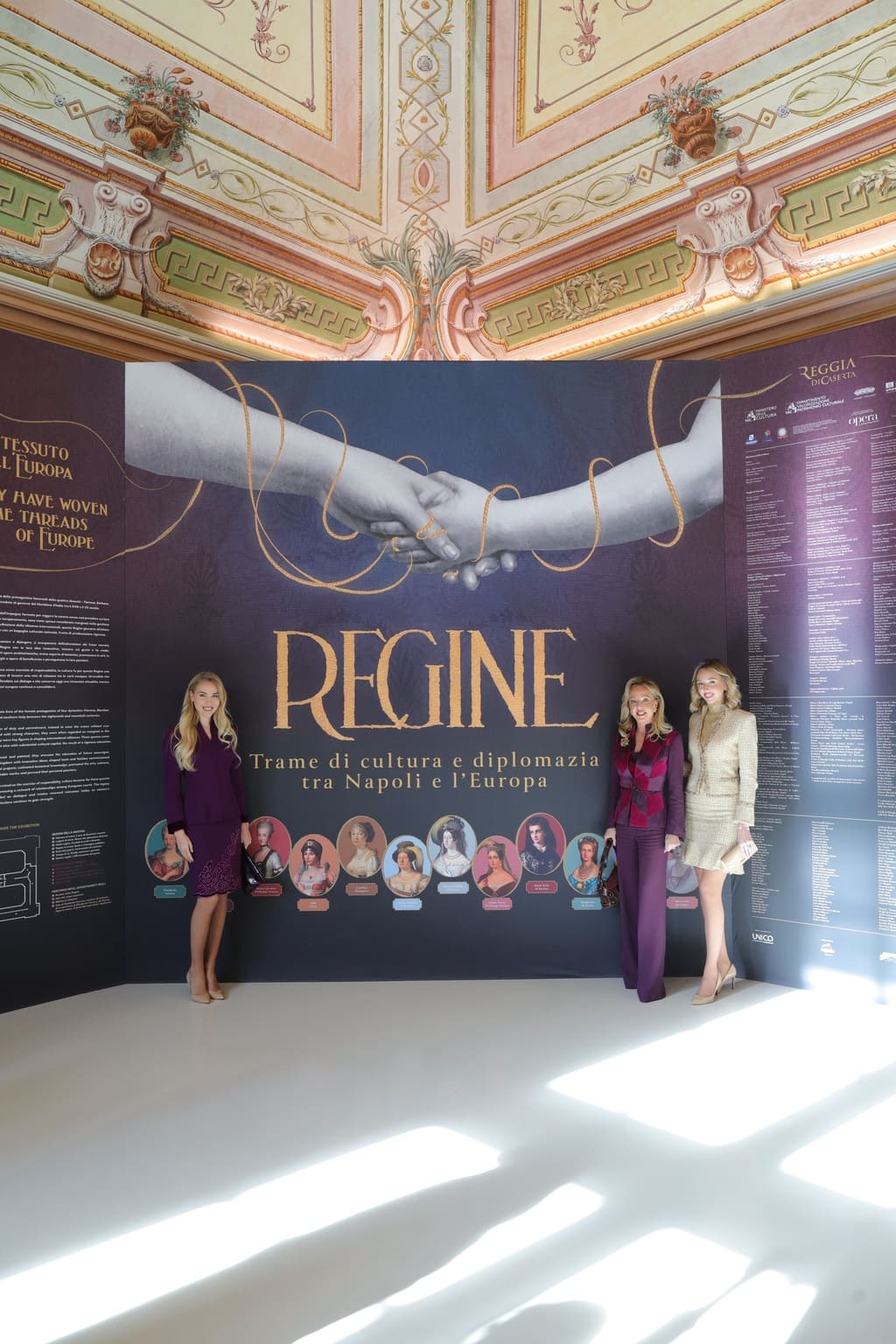
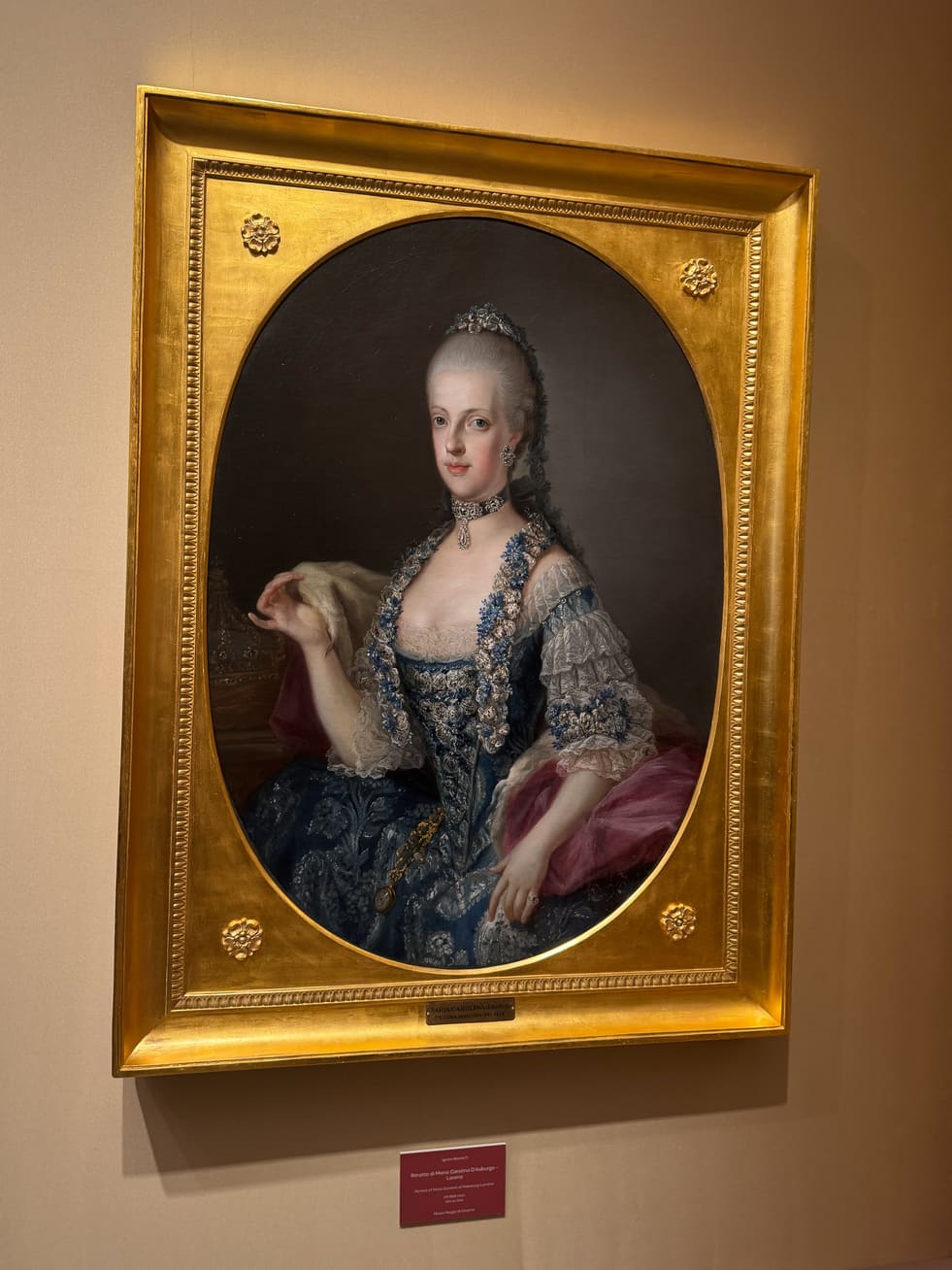
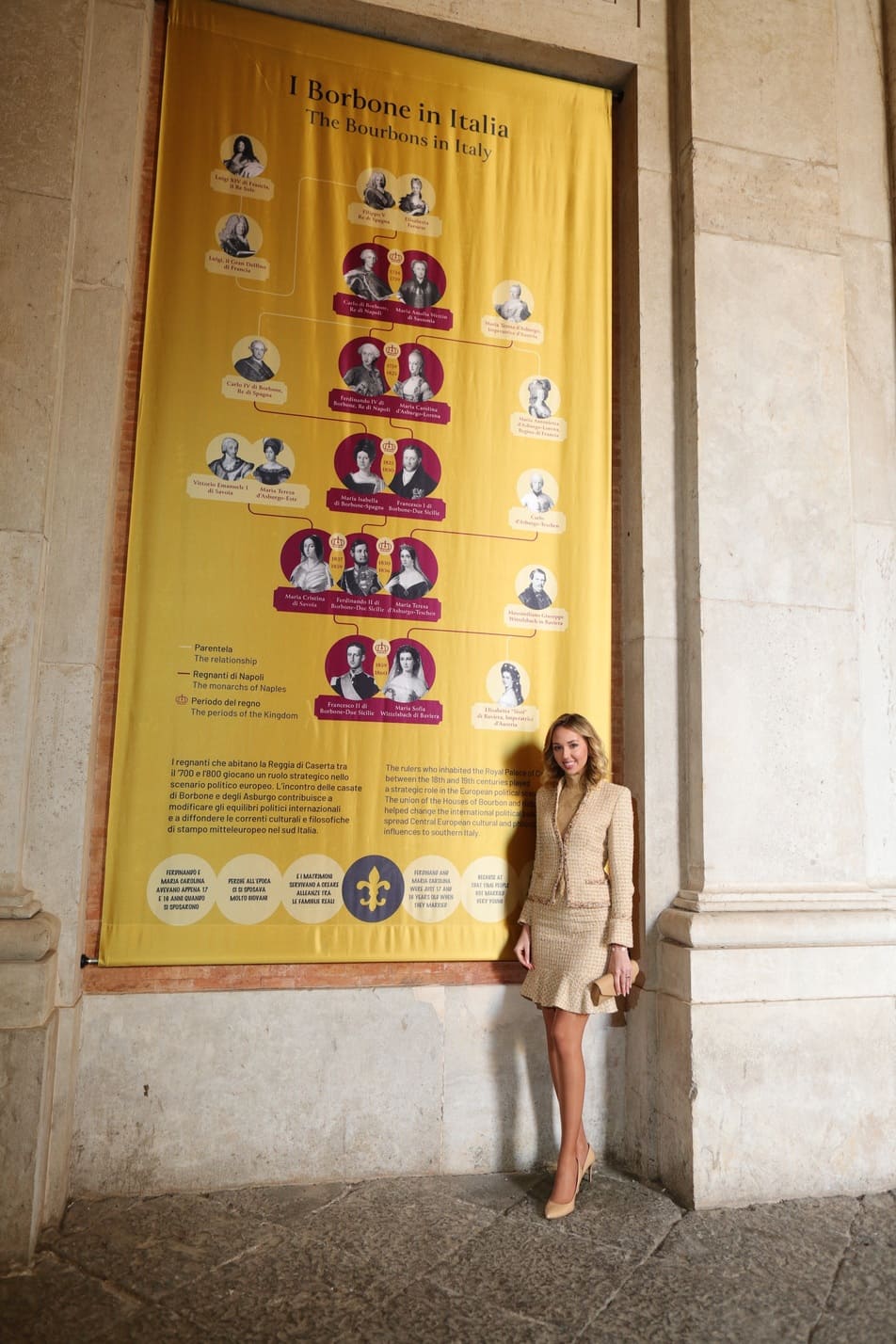
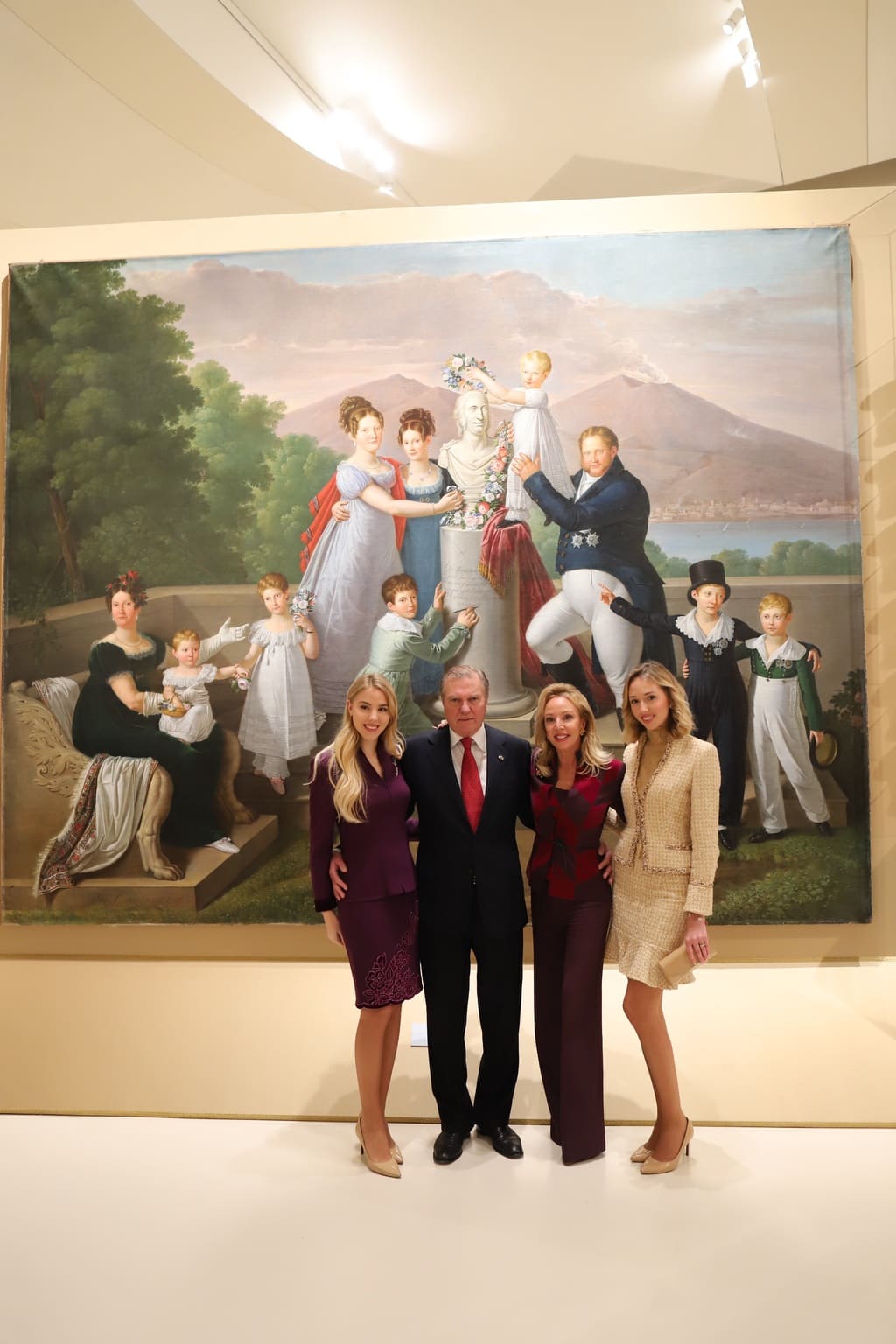
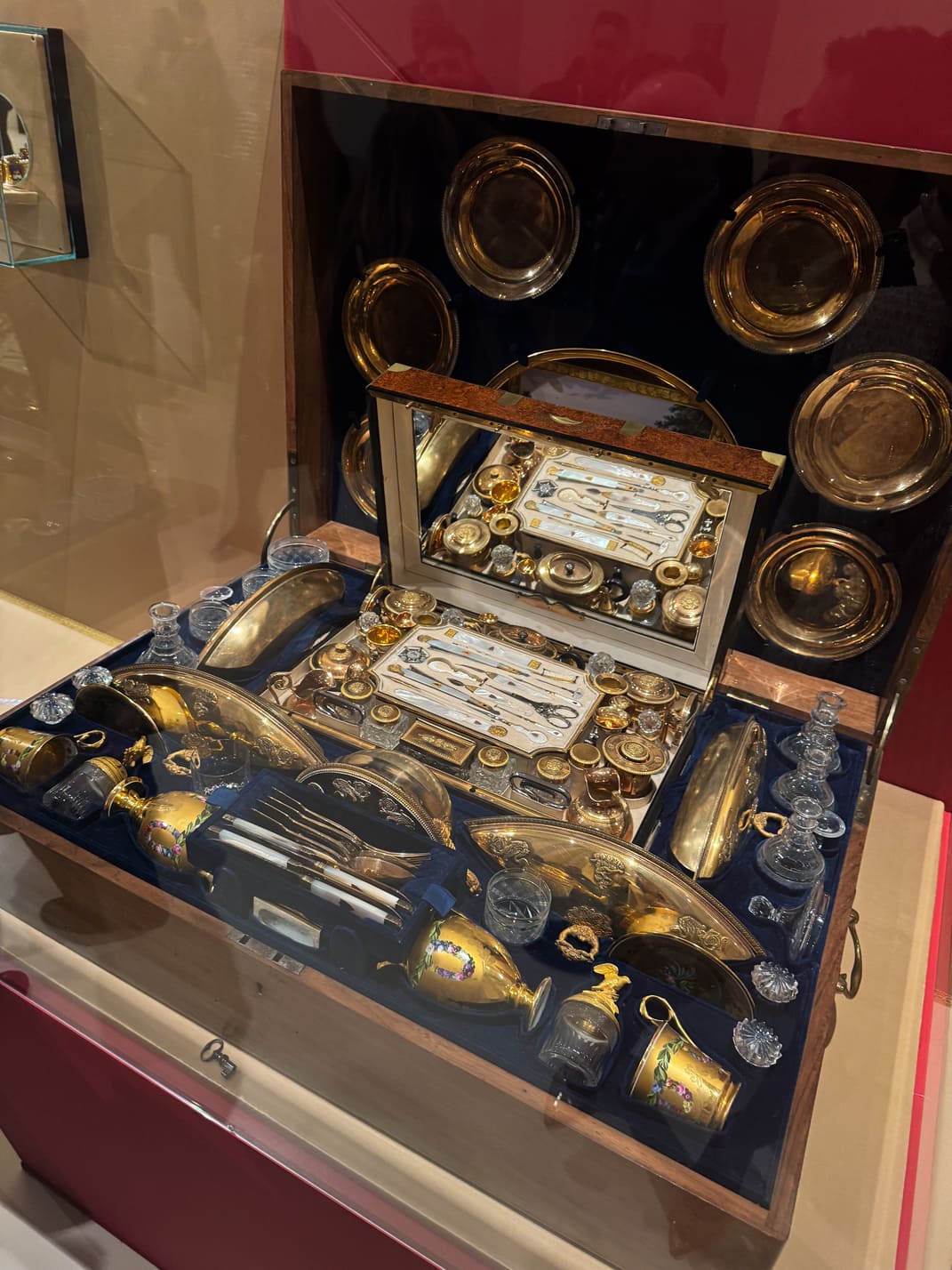
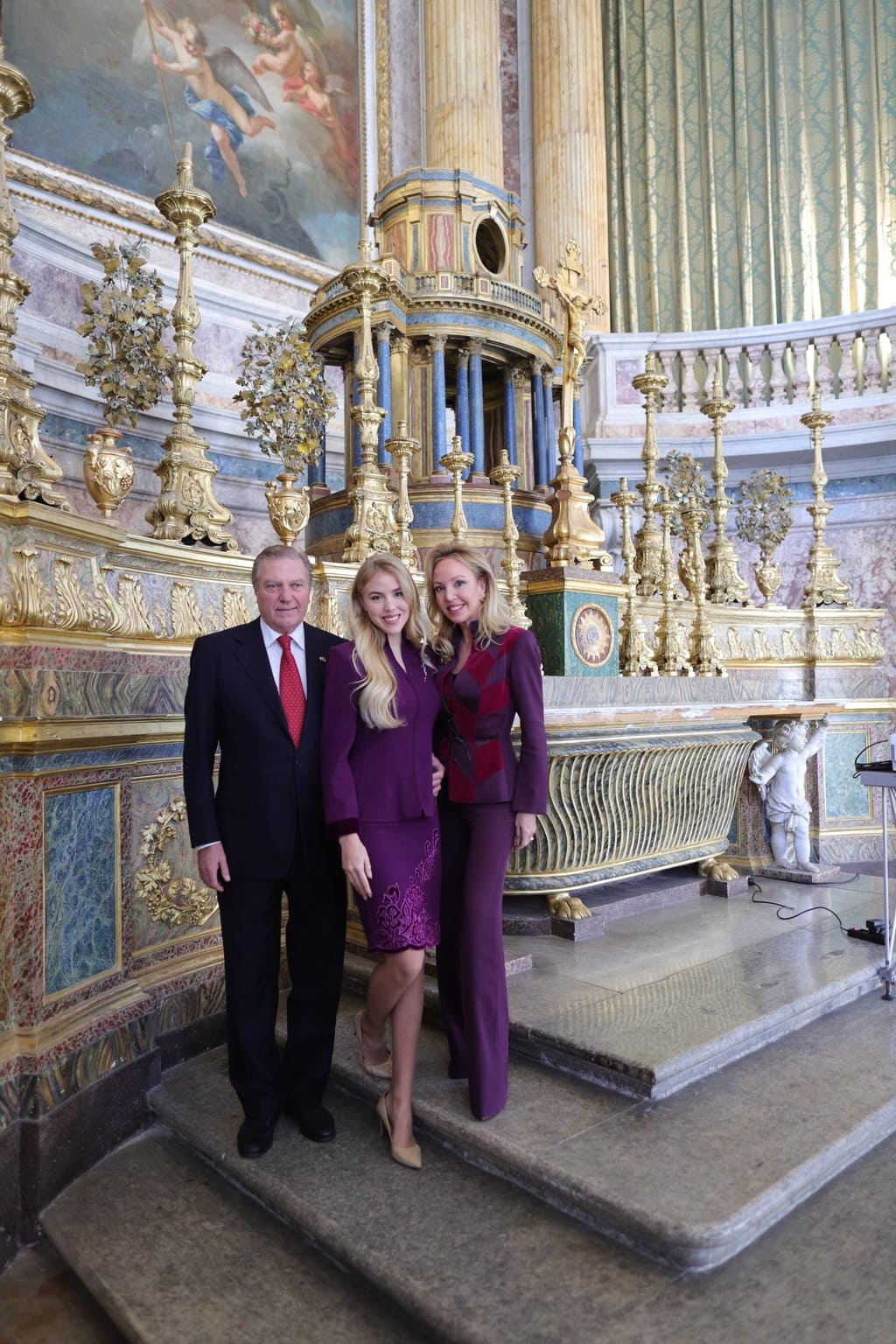
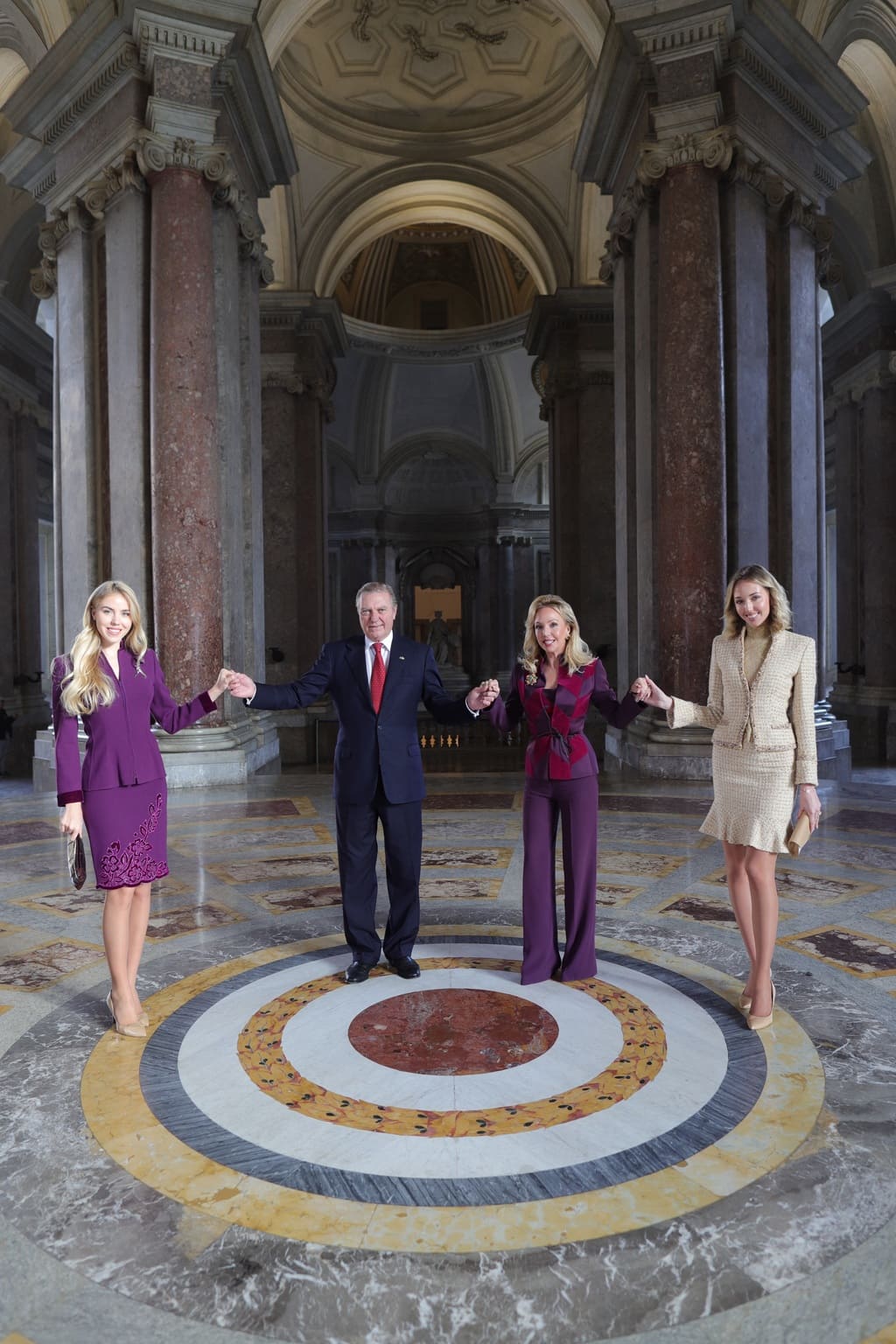
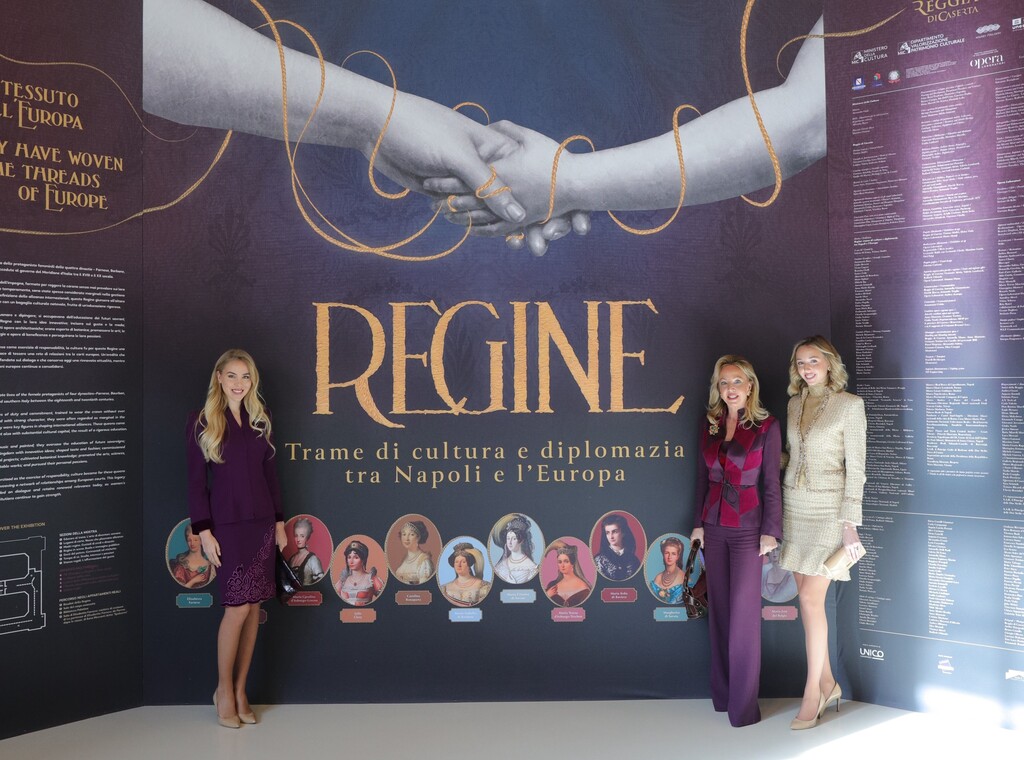
On the occasion of the inauguration of the exhibition “Queens: Weavings of Culture and Diplomacy between Naples and Europe” at the Royal Palace of Caserta, we took part in a moment of deep reflection on the role of queens in European history.
Through this exhibition, female figures emerge who were not merely witnesses of their time, but conscious protagonists of the political, cultural, and diplomatic life of the European courts. A legacy that invites us to reread the past as a key to understanding the present and to embrace, today, a responsibility of memory and continuity.
Princess Maria Carolina
This exhibition is much more than a cultural event. “Queens: Weavings of Culture and Diplomacy between Naples and Europe” tells the story of women who played a real role in politics, culture, and European dialogue, often without being fully recognized.
Being here means embracing an inheritance and reinterpreting it through a contemporary lens.
These queens do not speak only of the past: they speak of female leadership, vision, and responsibility — themes that are profoundly relevant today.
For me, this is the true meaning of the exhibition: listening to the past and understanding what it still has to say to us today. Because memory is not celebration, but continuity.
Princess Maria Chiara
Taking part in the inauguration of the exhibition “Queens: Weavings of Culture and Diplomacy between Naples and Europe” at the Royal Palace of Caserta was a privilege, an opportunity to discover stories that help us better understand a complex era and the important role these sovereigns played.
The exhibition traces the paths of queens who, through marriages, alliances, and strategic choices, left a concrete mark on the history of their time, going far beyond a purely symbolic presence.
At its center are female figures who were active participants in power structures, cultural life, and relations between courts, helping to shape lasting balances and dialogues.